
Treatments

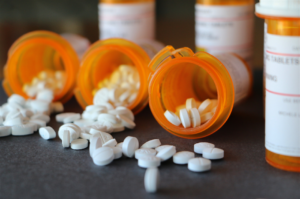
There are different types of treatments for the multitude of rare diseases: medication medical devices, specialty foods, surgery, physiotherapy, etc. Medication may be drugs used for common conditions or may be specific to a rare disease. The latter are called “orphan drugs “.
What is an orphan drug?
An « orphan » drug is intended for the treatment of a rare disease. In some countries (e.g. United States, European Union, etc.), a pharmaceutical company can apply for its experimental drug to obtain an « orphan designation » and thus benefit from certain advantages (financial and others) to continue the research and development of this therapy. If, following clinical trials, the drug is found to be safe and effective and it is authorized for sale, it is then called an “orphan drug.”
In Canada:
- There is no special program for the development of orphan drugs like the Orphan Drug Act in the United States or the « Orphan Drug Products » program in the European Union.
- The term “orphan drug” is not officially used to designate a drug for a rare disease.
- All drugs go through an evaluation by Health Canada to determine if they can be sold in Canada.
- Approximately 40% of orphan drugs authorized elsewhere in the world are not available in Canada.
To find out if a drug is authorized in Canada, consult the Drug Product Database (DPDB).
To find out if there is an orphan drug on the market or in development elsewhere in the world, consult the following sites:
- United States (Food and Drug Administration): Orphan Drug Designations and Approvals
- Europe (European Medicines Agency): Community Register of Orphan Medicinal Products.
- Orphanet: By name of disease By name of drug
Drug reimbursement
When a drug is authorized for sale, it must go through an evaluation process to determine if it should be paid by public insurance plans. This is done by the Canadian Drug Agency for all provinces except Quebec. In Quebec, INESSS does this evaluation.
Patients, patient organizations, and health professionals can give feedback during these evaluations.
At the Canadian Drug Agency:
- To find out which drugs are being evaluated: Open calls for Input and Feedback| CDA
- Giving your feedback for reviews: Stakeholder Feedback | CDA
- To find out about a CDA decision on a drug, see: Search |
At INESSS in Quebec:
- To find a drug currently being evaluated or that has been evaluated (see the tab “Continuing evaluation”)
- To comment on a drug being evaluated: A meeting place for patients, caregivers, and associations
The National Strategy for Drugs for Rare Diseases
In March 2023, the Minister of Health of the Government of Canada announced the launch of the “National Strategy for Drugs for Rare Diseases”.
Read the press release
See the composition and mandate of the “Implementation Advisory Group” (IAG) for this Strategy.
Excerpt from the press release: “As part of this overall investment, the Government of Canada will make available up to $1.4 billion to provinces and territories through bilateral agreements. This funding will help provinces and territories improve access to new and emerging drugs, as well as support enhanced access to existing drugs, early diagnosis, and screening for rare diseases. This will help patients with rare diseases, including children, have access to treatments as early as possible, for better quality of life.”
July 2024: The first bilateral agreements were announced with the province of British Columbia.
See the following page for other upcoming agreements: Bilateral Agreements for Drugs for Rare Diseases
Visit the Canadian Organization for Rare Disorders website for more information and activities around the Strategy.
